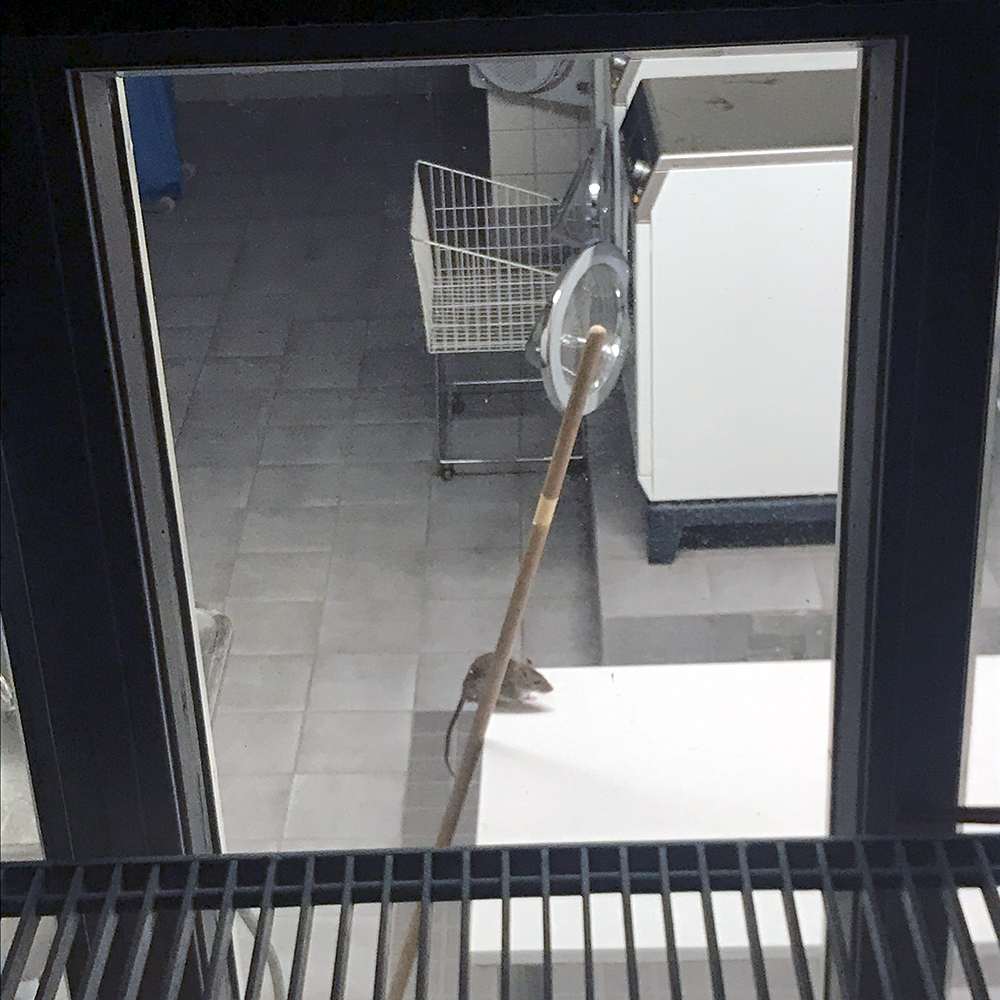
Not the kind of visitor you want to meet when you wash your clothes.
Late last night there was a knock on my door. A neighbour called Ylva stood there rather agitated and showed me an alarming photo on her mobile. What she described as a “huge” rat was nosing around the laundry room in the cellar. She managed to get a couple of snapshots of it when she spotted it through the window from outside.
I am on the board of the housing association for the flats where we live and she wondered if I knew what to do about the rat. Dealing with rats is one of the assignments that can land on your doorstep when you volunteer to join the board of a housing association.
Incidentally, housing associations are very much part of the fabric for flat-ownership in Sweden and there are strict rules for running them democratically. One flat, one vote. The name for such an association is bostadsrättsförening in Swedish or BRF for short. Our board is elected at an annual general meeting to take on various responsibilities for maintaining and administering the approximately 100 flats in the two blocks where we live in the centre of Malmo. The guiding principle is to safeguard the investment people have made in their individual flats and the building as a whole, which we all share. A monthly maintenance fee is charged to cover costs.
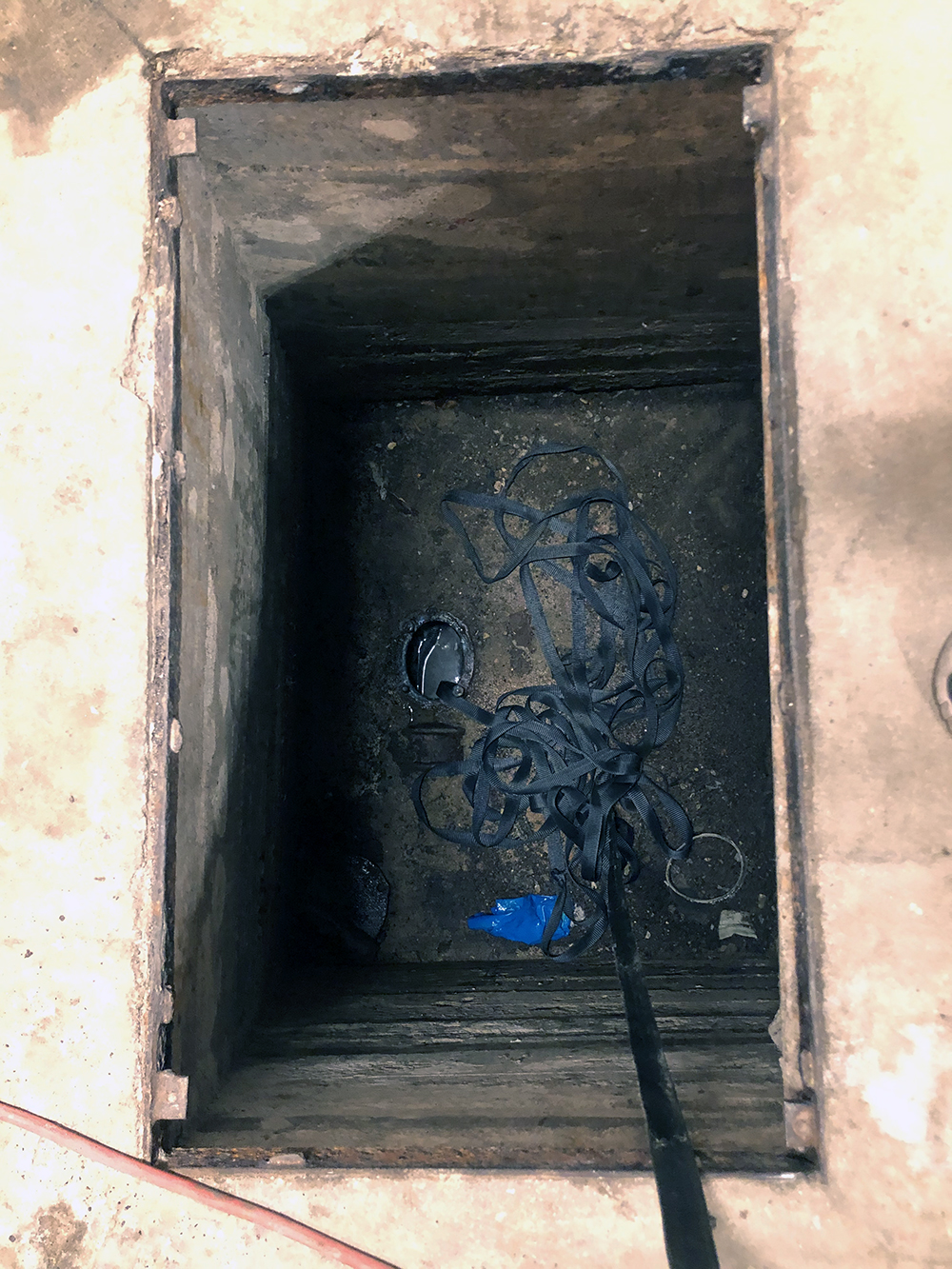
Down here is the home of a huge population.
I am just a writer not a handyman nor an engineer but being on the board for five years has taught me a lot about what people in white vans do for a living. As an example, I now know all about what happens when you flush the loo. At the time Ylva knocked, I was closely involved in a relining project. Relining means that instead of changing the pipes for the sewage and wastewater, you line them with what amounts to a plastic sock and then glue the sock down with epoxy resin. This seals any cracks or gaps in the existing pipes.
Our 2-million-Swedish-crown relining project started with filming a sample of our main sewage and wastewater pipes from the inside. There were about 2 hours of footage in total and an expert could see beyond all the crap and fatbergs in order to identify what condition the pipes were in. Our pipes did not need changing thankfully but instead their life could be prolonged about 50 years by relining.
The contractor ISAB had spent the last week cleaning all the horizontal pipes with brushes and flushes. ISAB then filmed the pipes to make sure they were reasonably clean prior to relining. During one of these sessions, the rat in question was captured on film scurrying down a pipe. So how can we capture the same rat which is now loose in our laundry?
The next morning, the project manager from ISAB, Stefan Schultz, arrived at our building to supervise the cleaning. I spied him from my window and called out to him to ask what to do about the intruder. He said calmly he can meet me at the laundry room door in a few minutes. On the way, we met Valdemar from Ystad Fönsterhantverk (YFAB) in the cellar and told him the story. By the way, YFAB were renovating our windows at the time and that’s another project I was involved in overseeing. Valdemar turned out to be an animal-lover and offered to take the rat alive. He picked up a big wastepaper bin in which to catch it.
The three of us opened the door of the laundry room slowly and went in with Valdemar in the lead and me at the back. We looked around and in the corners. I have heard that cornering a rat provokes it to attack and I must admit to a tinge of fear. Fortunately, there was no rat to be seen. It must have gone back down the drain into the labyrinth of pipes under our building.
Apparently, there are more rats living under Malmö than the human population above. Most of the time they stay below ground but relining projects disturb their habitat and they start roaming around.
To my horror, I learnt that rats can climb up vertical pipes and come up your toilet. I also found out from Stefan that there are expensive stainless steel traps to prevent rats climbing pipes. They work like slides so the rats slip down and can’t pass. That same evening, I made an urgent written proposal to the board recommending that we install such traps immediately in all our vertical pipes. The cost was not a factor for me. However, the majority of the board replied we should wait and see after the relining project is over.
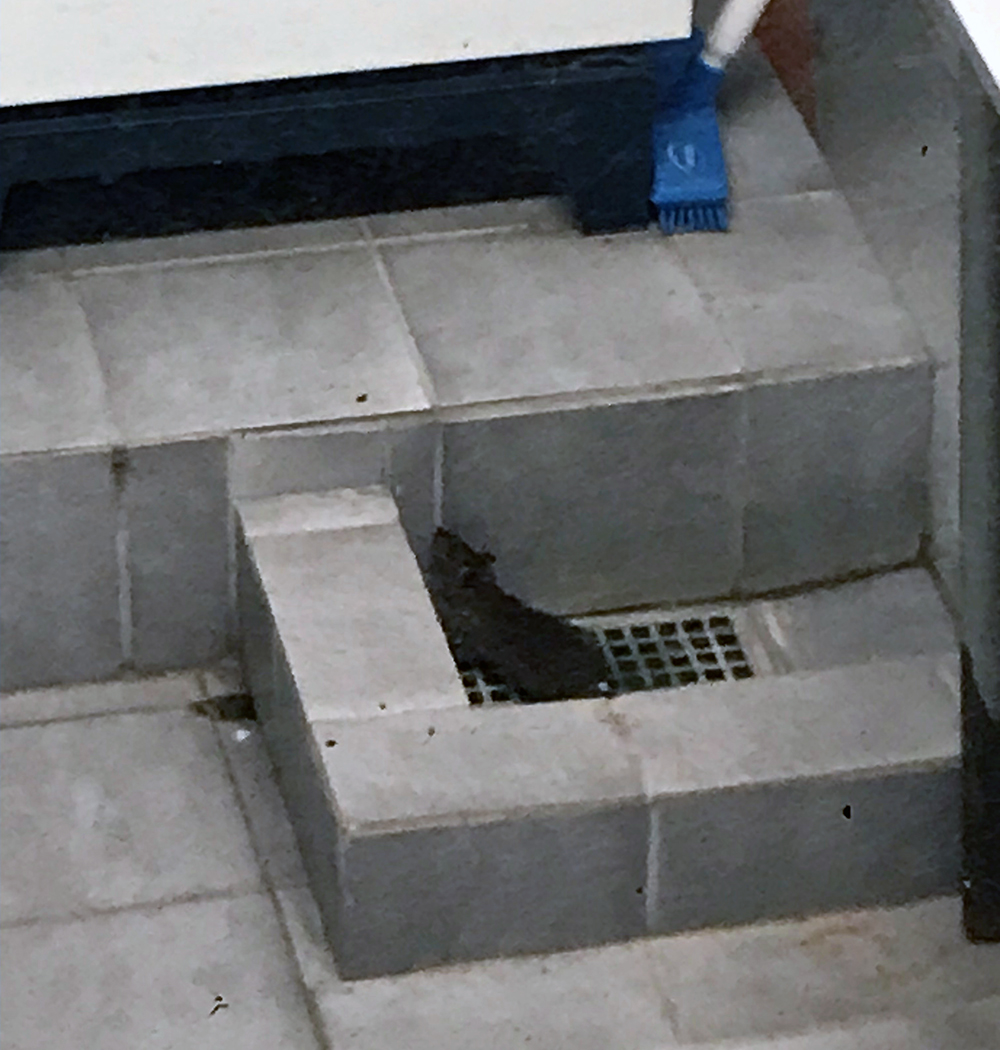
It seems we share our building with a lot of these. But they are rarely seen above ground.
Meanwhile, I now gingerly lift the lid of my toilet every time to see if I have a visitor. That rat has rattled my peace of mind as I go about my daily business. I have learnt a lot from representing the residents of our BRF but I sometimes regret learning too much about the residents who live below us.
By Peter Goddard